
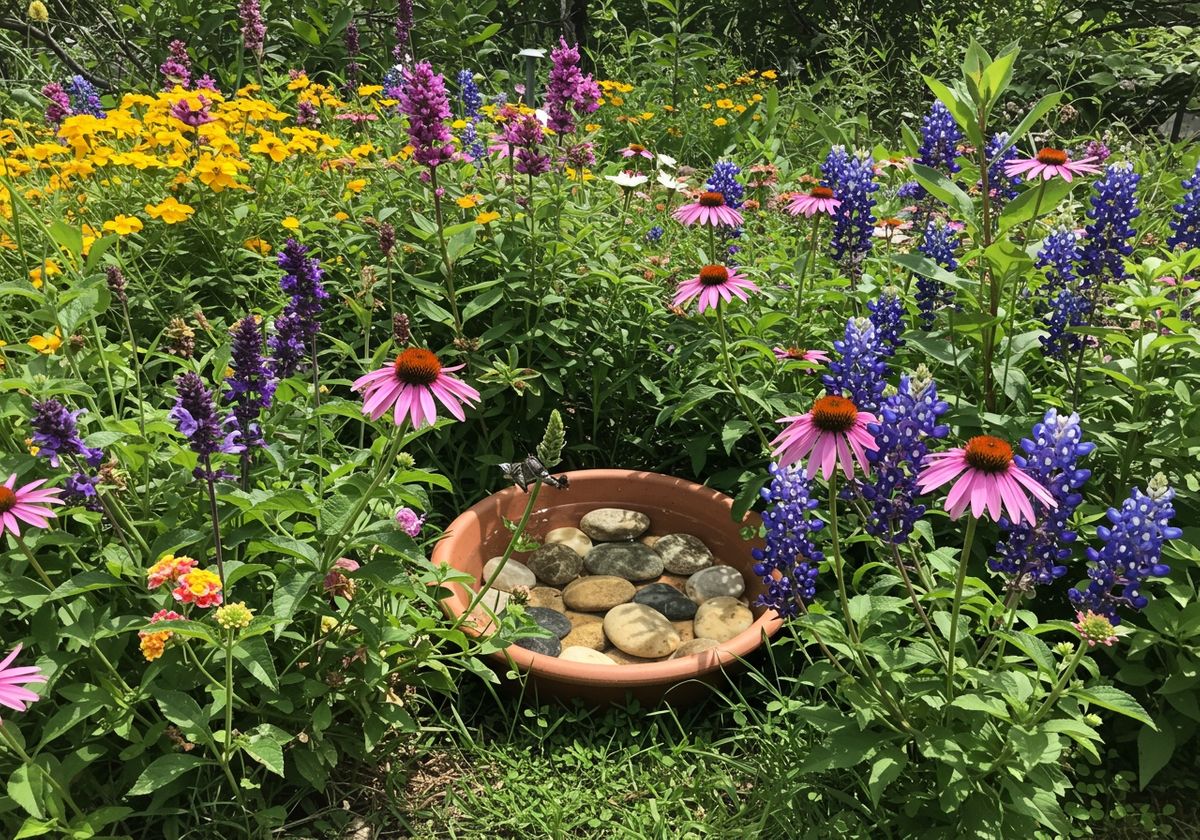

Creating a pollinator-friendly garden in your Texas yard is not only a beautiful addition to your home but also a vital contribution to the ecosystem. By providing food and habitat for bees, butterflies, and other pollinators, you're helping to ensure the health of our environment and the success of local agriculture. Let's explore how you can transform your outdoor space into a haven for these essential creatures.
Understanding Texas Pollinators
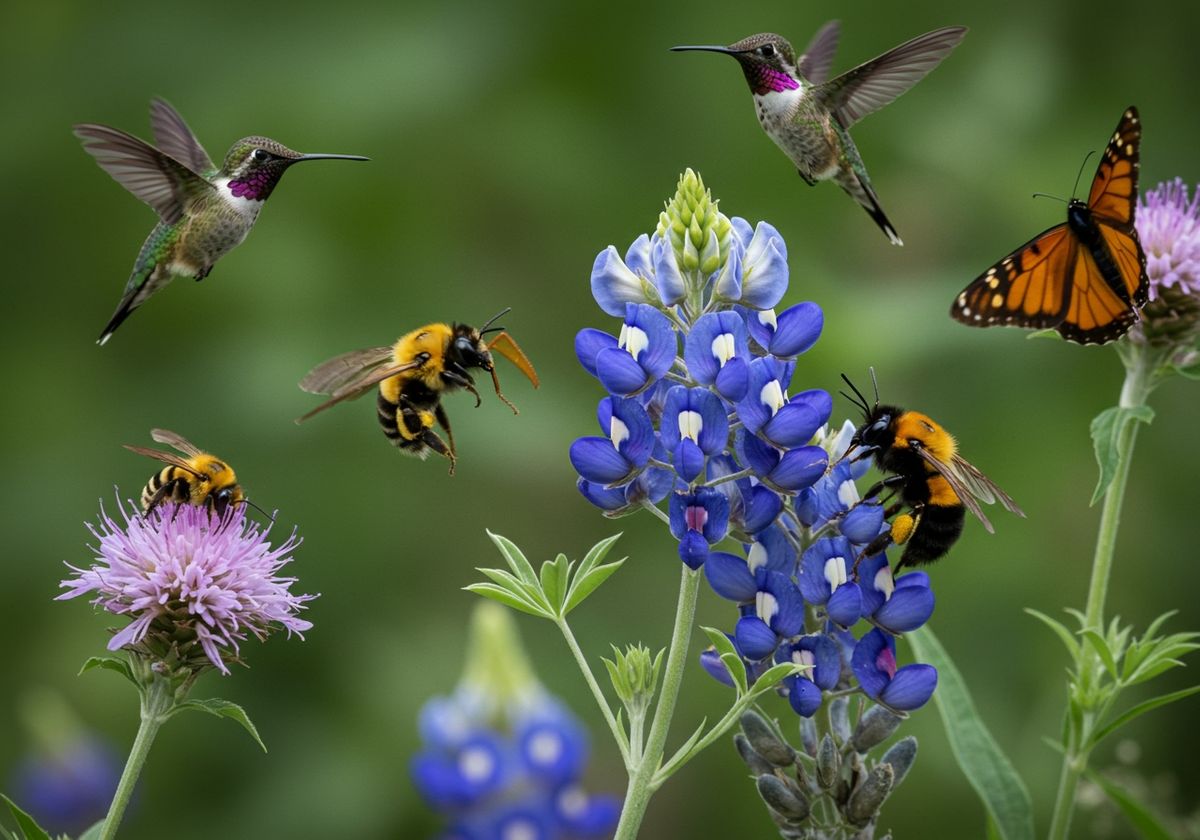
Texas is home to a diverse range of pollinators, each with its unique needs and preferences. Native bees, butterflies, hummingbirds, and even some species of bats play crucial roles in pollinating plants. Before designing your garden, research which pollinators are common in your area and what types of plants they are attracted to. This knowledge will guide your plant selection and ensure that your garden is a valuable resource for local wildlife.
Choosing the Right Plants
Selecting the right plants is the most critical step in creating a pollinator-friendly garden. Native plants are generally the best choice, as they are well-adapted to the Texas climate and provide the specific nutrients that local pollinators need. Some excellent options include:
- Texas Lantana: A colorful and drought-tolerant shrub that attracts butterflies.
- Salvia: Available in various colors and sizes, salvia is a favorite of bees and hummingbirds.
- Purple Coneflower: A beautiful and resilient perennial that provides nectar and pollen for bees and butterflies.
- Milkweed: Essential for monarch butterflies, milkweed serves as both a food source and a host plant for their larvae.
- Bluebonnets: Not only are they the Texas state flower, but they're also an early-season nectar source for many pollinators.
When choosing plants, prioritize a variety of colors, shapes, and bloom times to provide a continuous source of food throughout the growing season. Avoid using pesticides, as they can harm or kill pollinators.
Providing Water and Shelter
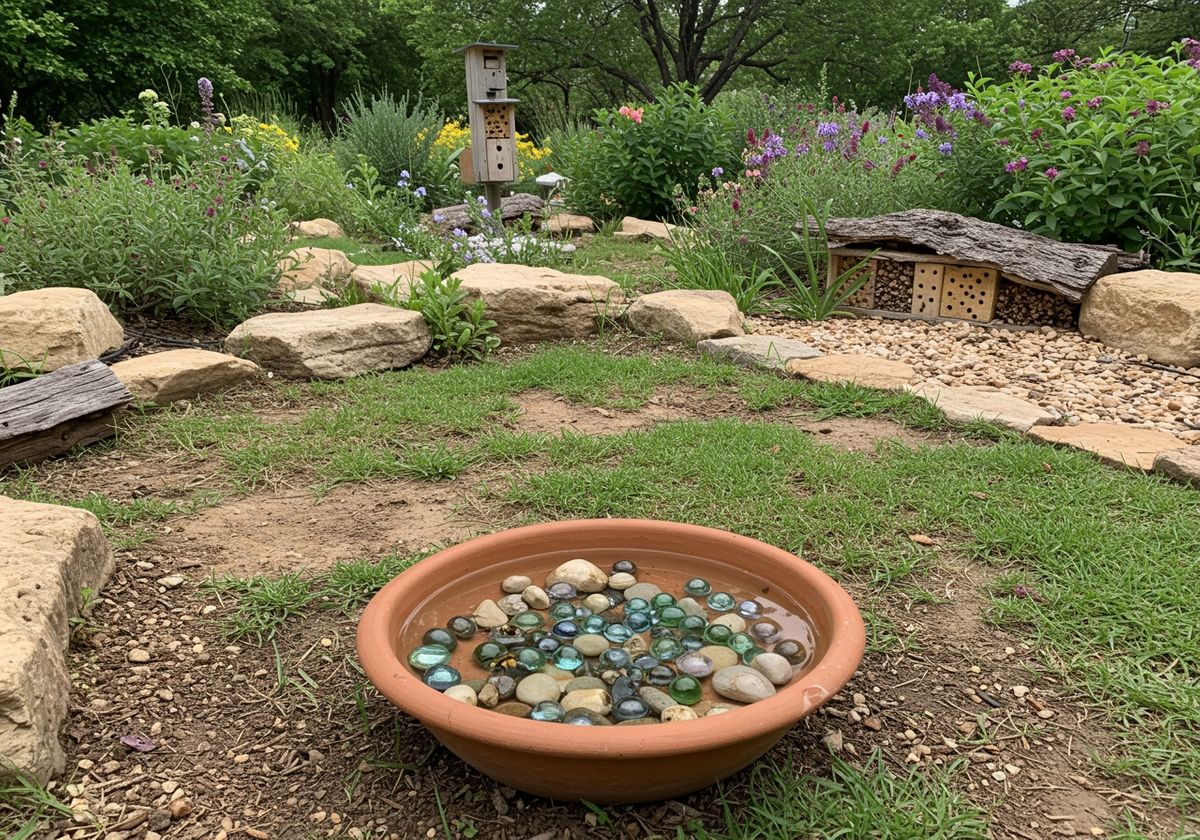
In addition to food, pollinators need access to water and shelter. A shallow dish of water with pebbles or marbles for insects to land on can provide a safe drinking source. You can also create shelter by leaving patches of bare ground for ground-nesting bees or by providing bee houses or butterfly gardens. Consider adding rocks or logs to your landscape, as they provide shelter for various insects and other beneficial creatures.
Designing Your Garden
When designing your pollinator-friendly garden, keep in mind the needs of both the pollinators and yourself. Choose a location that receives plenty of sunlight and is sheltered from strong winds. Group plants with similar needs together to make watering and maintenance easier. Consider adding pathways or seating areas so you can enjoy your garden up close. Most importantly, have fun and be creative. With a little planning and effort, you can create a beautiful and thriving pollinator garden that benefits both you and the environment.
Creating a pollinator-friendly garden in your Texas yard is a rewarding experience that offers numerous benefits. By selecting the right plants, providing water and shelter, and designing your garden with pollinators in mind, you can create a haven for these essential creatures. At Shoalwood Properties, we understand the importance of creating beautiful and sustainable outdoor spaces. Our landscaping services are tailored to meet the unique needs of Texas properties, ensuring that your garden is both visually appealing and environmentally friendly. If you're ready to transform your landscape, contact us today to learn more about our services and how we can help you create the pollinator-friendly garden of your dreams. Transforming Texas Landscapes, Exceeding Expectations Since 2002.