
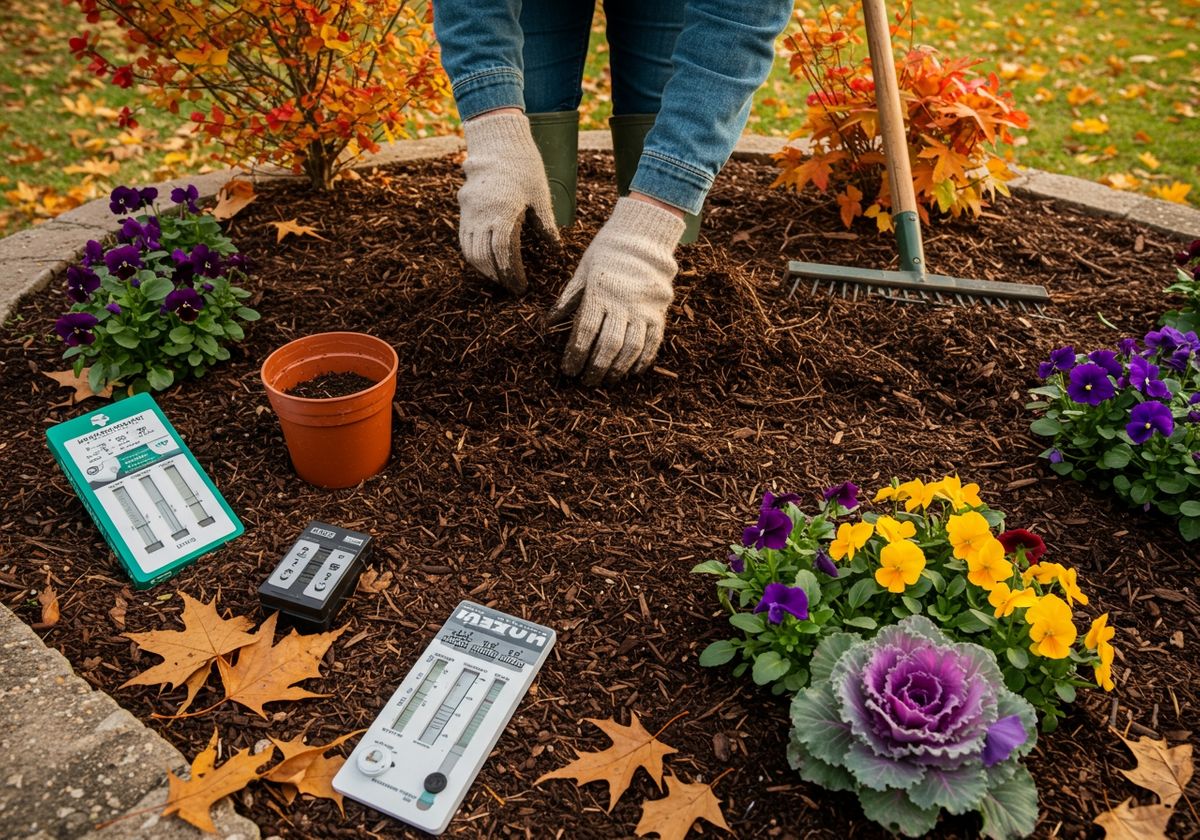

As the leaves begin to change and a cool breeze sweeps across Texas, it's time to gear up for fall landscaping. But before you start planting those vibrant autumn blooms, let's talk about the foundation of every successful garden: soil health. At Shoalwood Properties, we understand that healthy soil is the key to thriving landscapes. Here are some essential tips to ensure your Texas soil is in top shape this fall.
Understanding Your Texas Soil
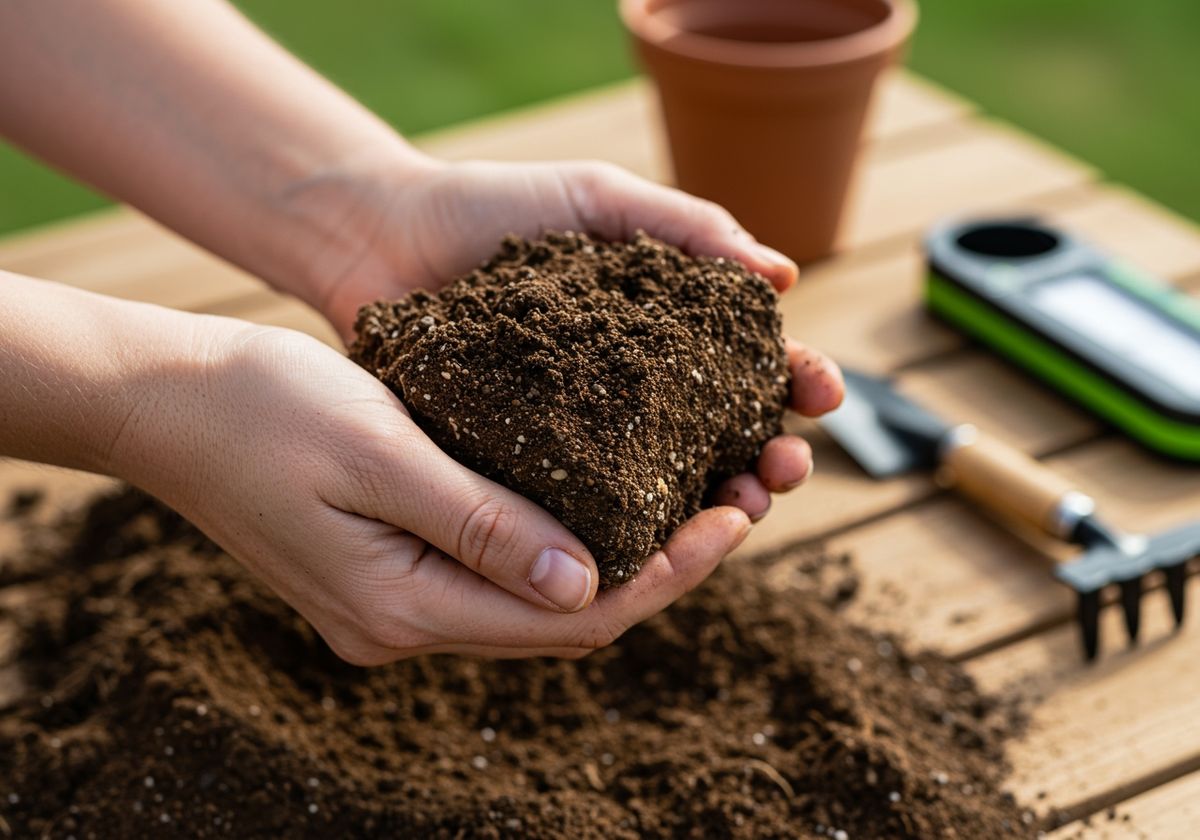
Texas soils can vary widely, from sandy to clay-rich. Knowing your soil type is the first step in improving its health. Sandy soils drain quickly and may lack nutrients, while clay soils can retain too much water and become compacted. A simple soil test can reveal its composition, pH level, and nutrient content. You can purchase a test kit from your local garden center or contact your county extension office for assistance.
The Importance of Soil Testing
Before amending your soil, it's crucial to understand its current nutrient levels. A soil test provides valuable insights into deficiencies or imbalances. This knowledge allows you to tailor your soil amendments, ensuring you're providing the right nutrients in the correct amounts. Avoid guesswork and potential over-fertilization by testing your soil first.
Key Fall Soil Health Tips
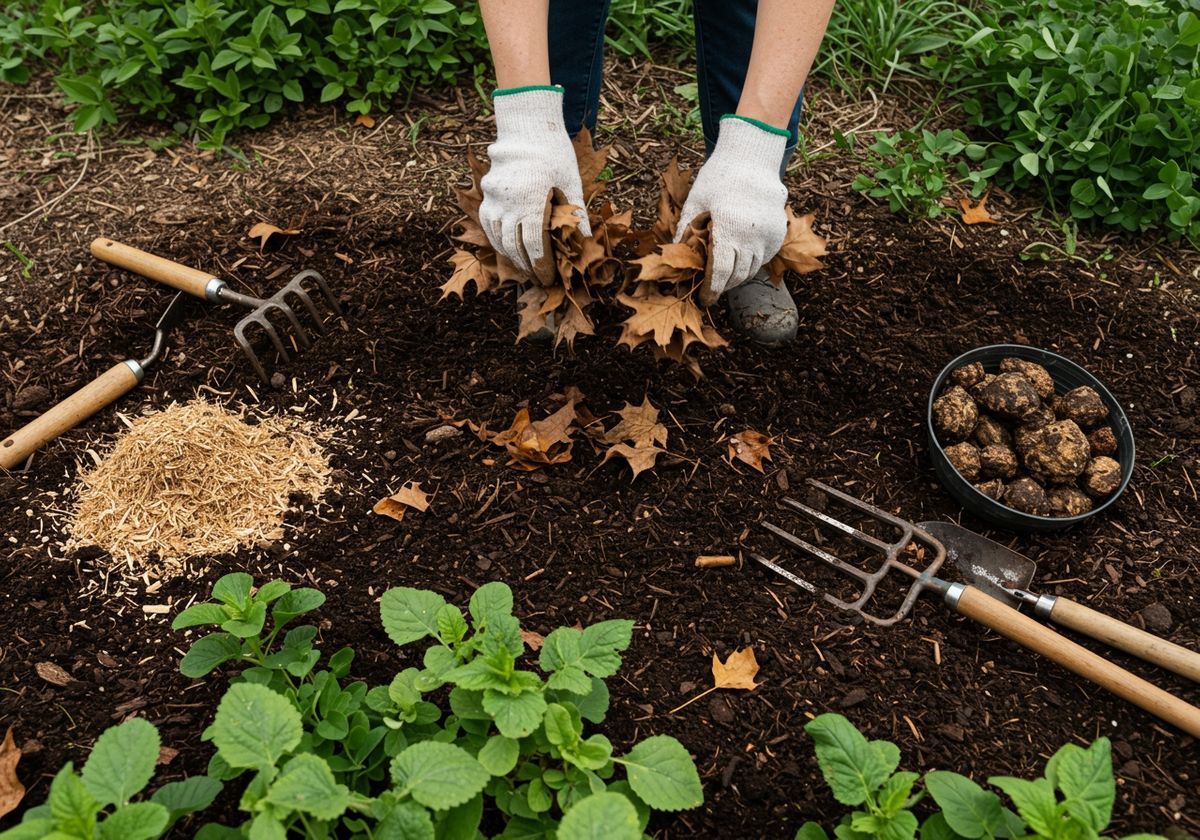
- Remove Debris: Clear away fallen leaves, dead plants, and other debris from your garden beds. This prevents the buildup of pests and diseases that can harm your soil.
- Aerate the Soil: Compacted soil restricts root growth and water infiltration. Aerate your soil using a garden fork or core aerator to improve drainage and allow roots to breathe.
- Add Organic Matter: Incorporate compost, aged manure, or other organic matter into your soil. This improves soil structure, drainage, and nutrient retention.
- Mulch: Apply a layer of mulch around your plants to conserve moisture, suppress weeds, and regulate soil temperature. Organic mulches like shredded bark or leaves will also decompose over time, adding nutrients to the soil.
- Consider Cover Crops: Planting cover crops like clover or rye can help improve soil health over the winter. These crops add organic matter, prevent erosion, and suppress weeds. Till them into the soil in the spring to further enrich it.
Fall Planting
Fall is an excellent time to plant many Texas natives and other cool-season plants. With proper soil preparation, your new plants will have a strong start before the heat of summer returns. Some popular fall planting choices include pansies, violas, ornamental kale, and various herbs.
Conclusion
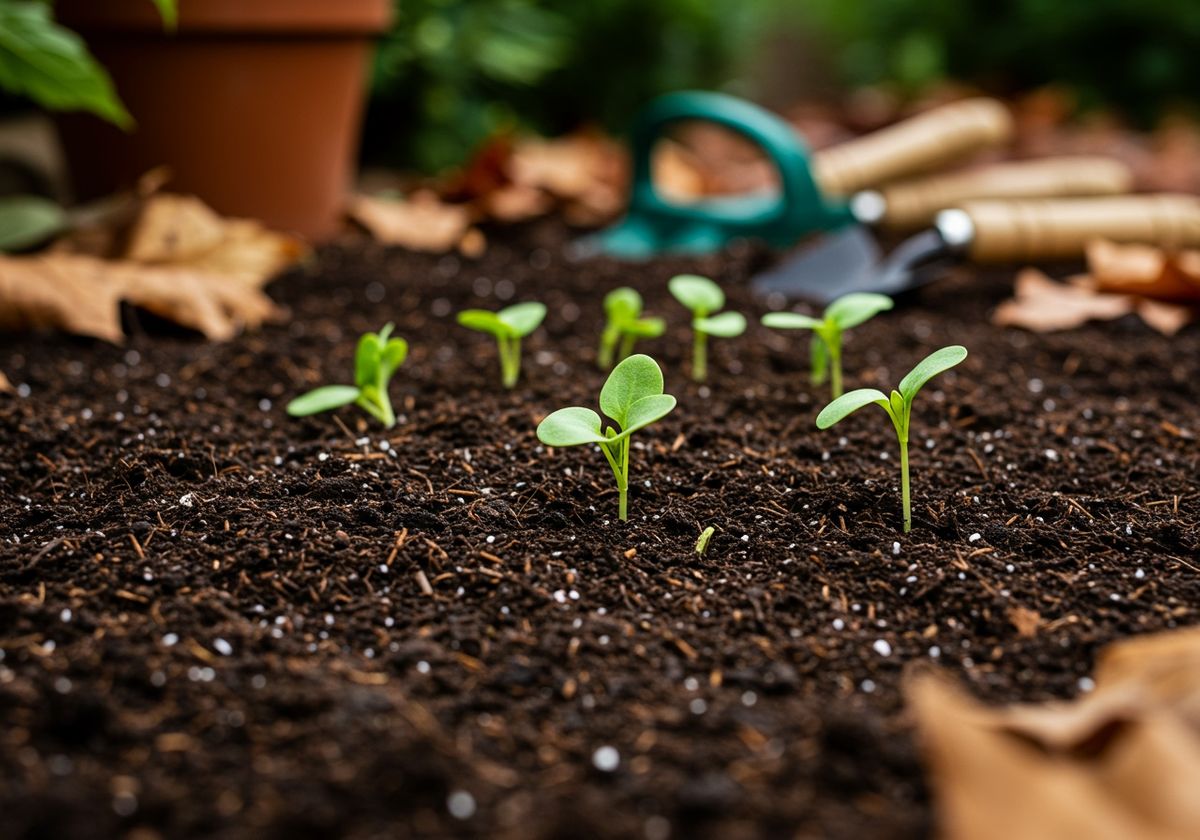
Prioritizing soil health this fall will set the stage for a vibrant and thriving landscape next spring. By understanding your soil, removing debris, aerating, adding organic matter, and mulching, you can create an optimal environment for plant growth. Remember, healthy soil equals healthy plants! At Shoalwood Properties, we're passionate about transforming Texas landscapes and exceeding expectations. Contact us today to learn more about our landscaping services and how we can help you achieve the garden of your dreams. Visit our website or call us for a consultation!