
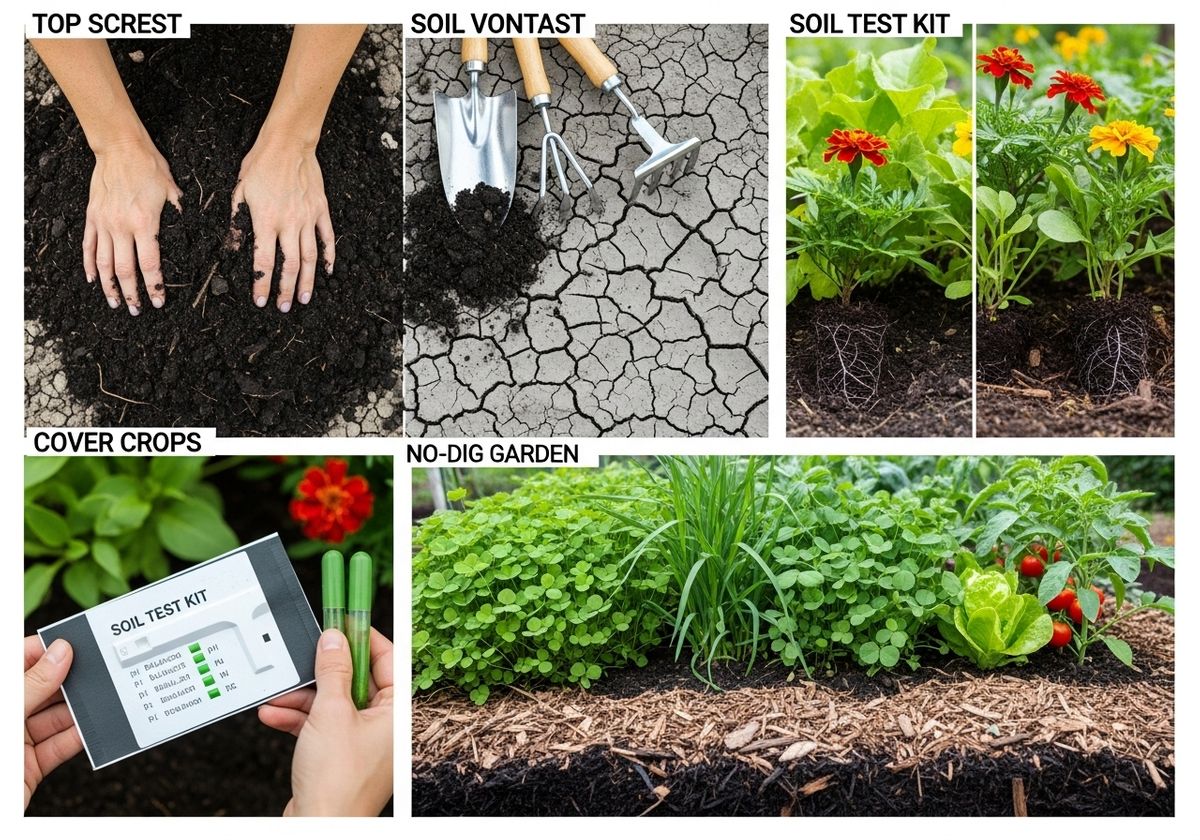

Are you ready to take your gardening game to the next level? It all starts beneath the surface, with healthy, thriving soil. Whether you're a seasoned gardener or just starting out, understanding how to improve your soil is crucial for a bountiful harvest and vibrant plants. Let's dig in!
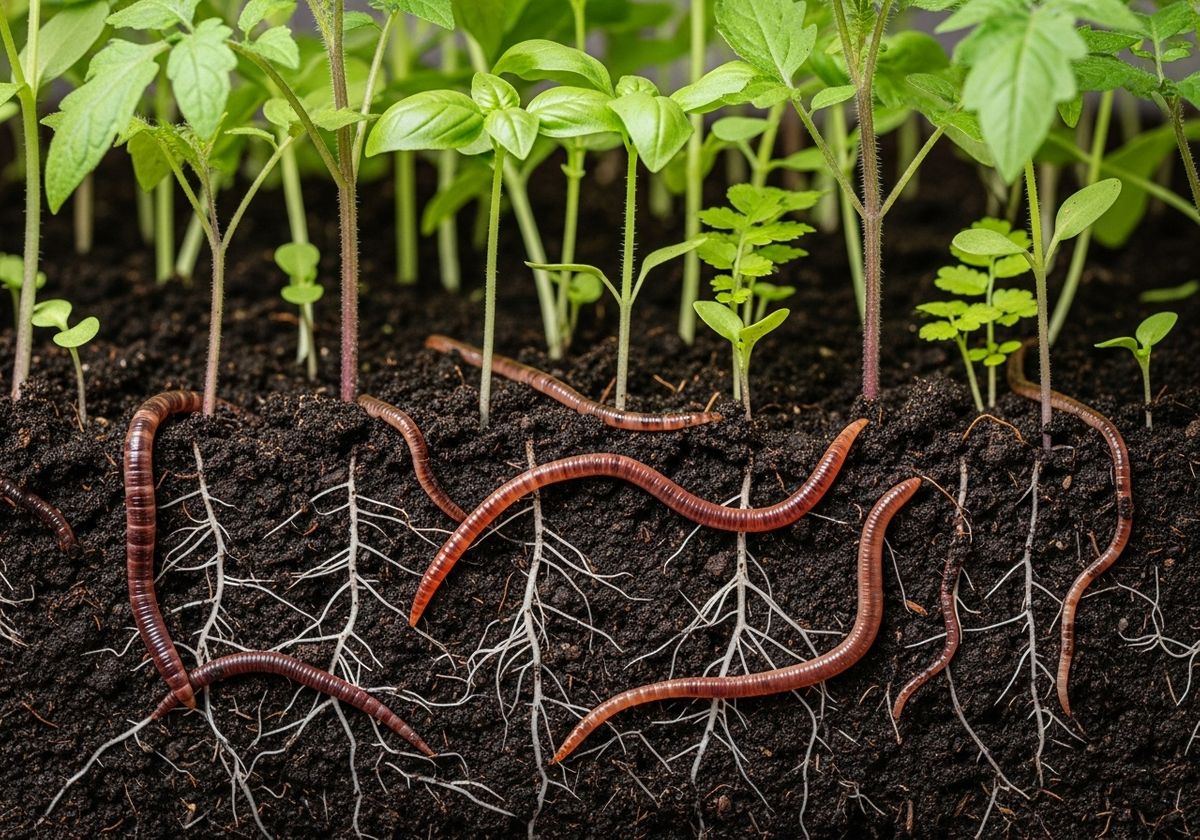
Why Soil Health Matters
Think of your soil as the foundation of your garden. It provides essential nutrients, water, and support for your plants. Healthy soil leads to stronger roots, increased resistance to pests and diseases, and ultimately, more productive plants. Ignoring your soil's health is like building a house on a shaky foundation – it might look good for a while, but it won't last.
Testing Your Soil
Before you start amending your soil, it's important to know what you're working with. A soil test will reveal its pH level, nutrient content, and overall composition. You can purchase a DIY soil test kit or send a sample to a professional lab for more detailed analysis. This information will help you tailor your amendments to address specific deficiencies or imbalances.
Composting: Nature's Soil Booster
Composting is one of the best ways to improve your soil's health and fertility. Compost is decomposed organic matter, such as kitchen scraps, yard waste, and leaves. It adds nutrients to the soil, improves its structure, and helps retain moisture. Simply mix compost into your garden beds or use it as a top dressing around your plants.
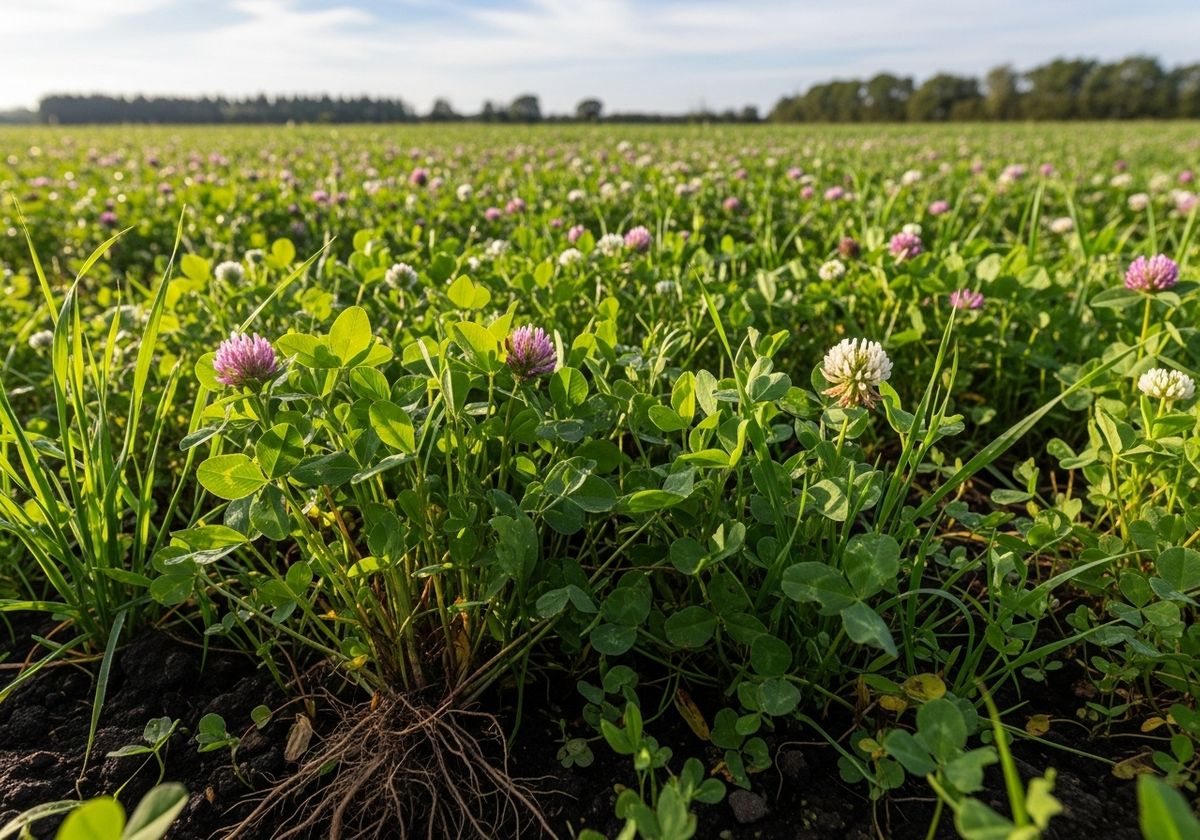
Cover Crops: Green Manure
Cover crops are plants grown specifically to improve the soil. They can be legumes (like clover or beans) that fix nitrogen in the soil, or grasses (like rye or oats) that add organic matter and suppress weeds. After the cover crop has grown for a few months, you can till it into the soil, where it will decompose and release its nutrients.
Mulching: Protecting and Nourishing
Mulch is a layer of organic material, such as wood chips, straw, or shredded bark, that is spread on the soil surface. Mulch helps to retain moisture, suppress weeds, regulate soil temperature, and prevent erosion. As it decomposes, it also adds organic matter to the soil.
No-Dig Gardening: Minimal Disturbance
No-dig gardening, also known as no-till gardening, is a method that avoids tilling or digging the soil. This helps to preserve the soil's structure, beneficial microbes, and organic matter. Instead of digging, you simply add layers of compost and mulch to the soil surface.
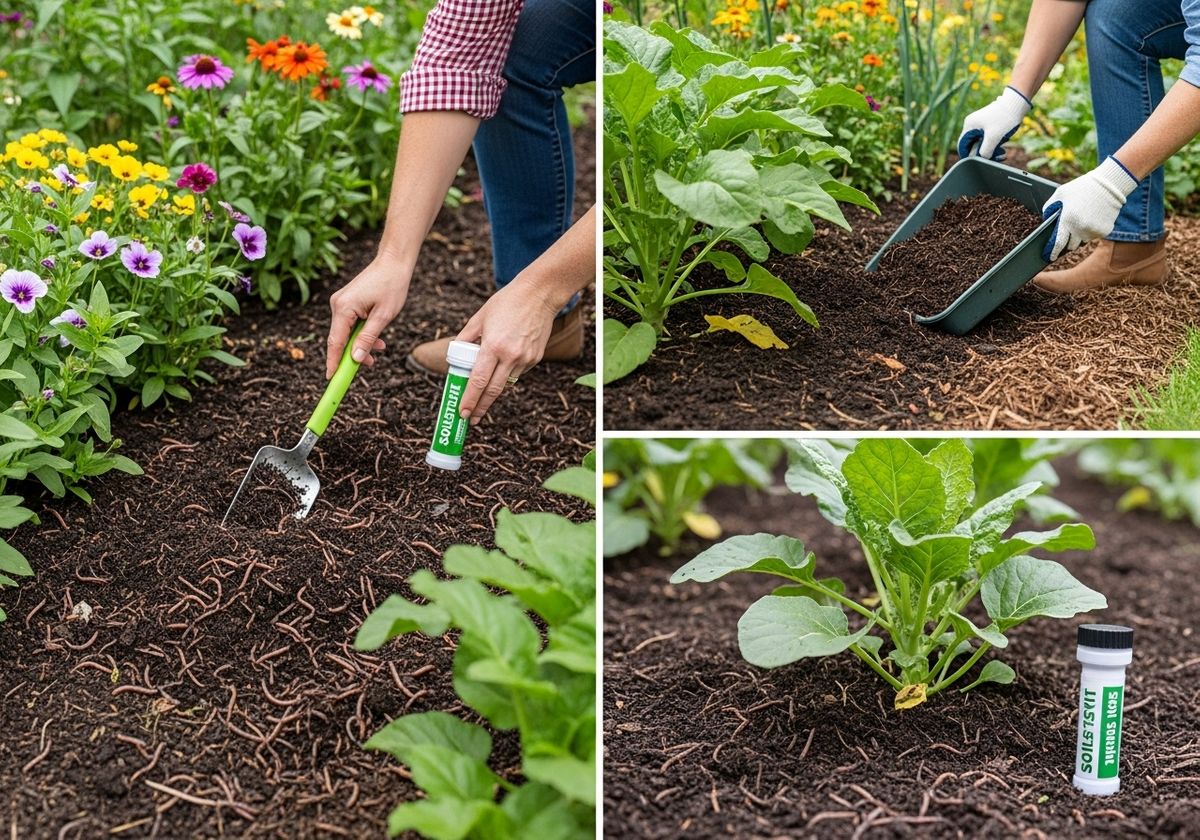
The Shoalwood Properties Difference
Improving your soil is an investment in the long-term health and productivity of your garden. By testing your soil, composting, using cover crops, mulching, and considering no-dig gardening methods, you can create a thriving ecosystem that will support your plants for years to come. At Shoalwood Properties, we understand the importance of a healthy landscape. If you're looking to transform your outdoor space into a vibrant oasis, we're here to help. Contact us today to learn more about our landscaping services and how we can help you create the garden of your dreams. Transforming Texas Landscapes, Exceeding Expectations Since 2002.