
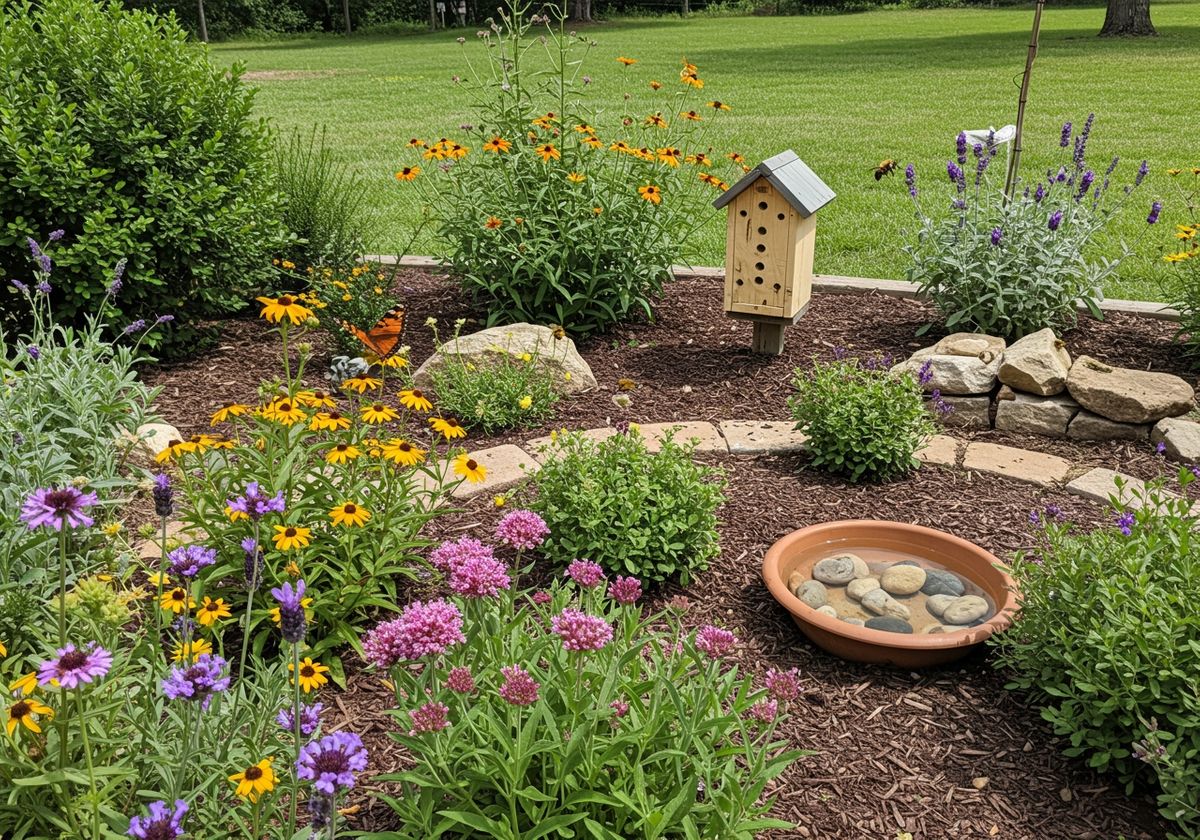

Creating a sustainable garden for pollinators is not just a beautiful addition to any property; it's a vital contribution to the ecosystem. As Shoalwood Properties, we recognize the importance of harmonizing landscapes with nature, and that starts with understanding how to support our pollinator populations. Here’s your guide to designing a garden that’s both sustainable and beneficial for bees, butterflies, and other pollinators.
Understanding Pollinator Needs
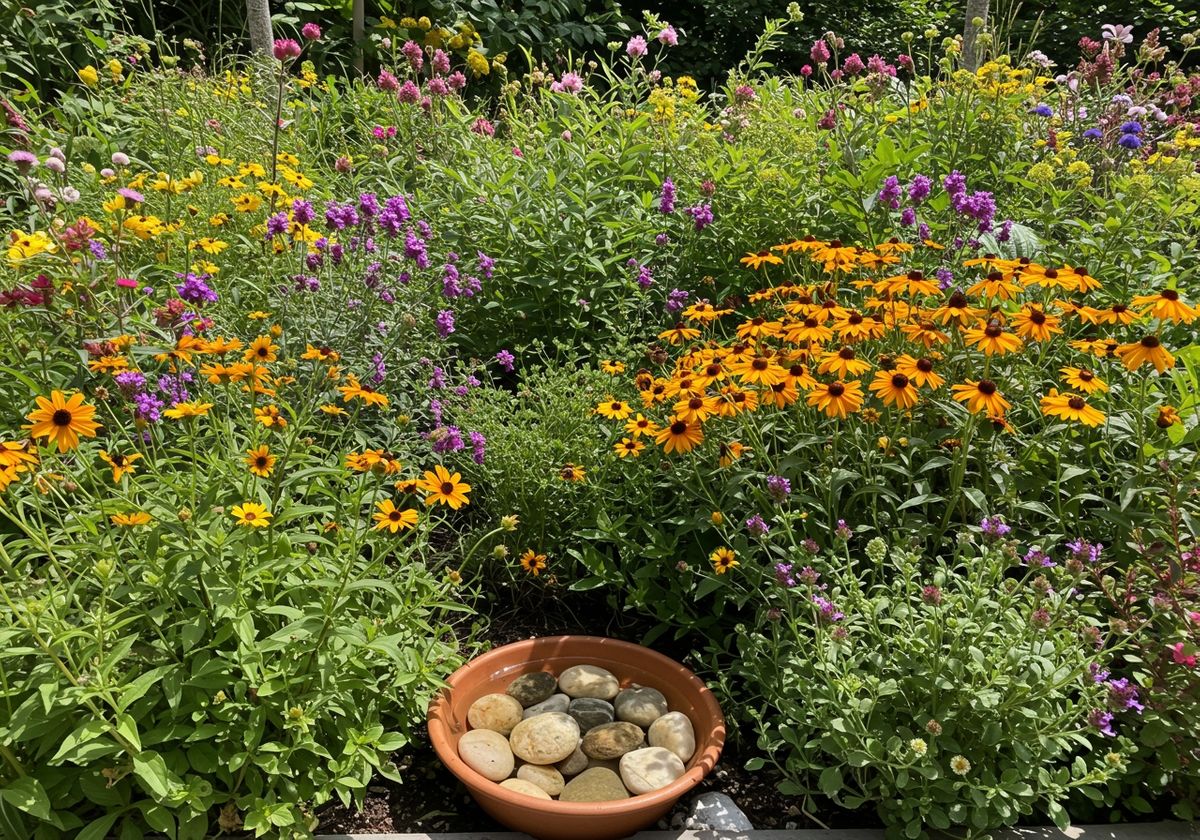
Before diving into design, understand what pollinators need: food, water, shelter, and safety from pesticides. Different pollinators are attracted to different plants, so diversity is key. Native plants are particularly beneficial as local pollinators have evolved alongside them.
Plant Selection
Choose a variety of plants that bloom at different times throughout the growing season to provide a continuous food source. Include native wildflowers, herbs, and shrubs. Consider plants like milkweed for Monarch butterflies, lavender for bees, and brightly colored flowers for hummingbirds. Diversity in plant structure also provides varied habitats for different species.
Water Source
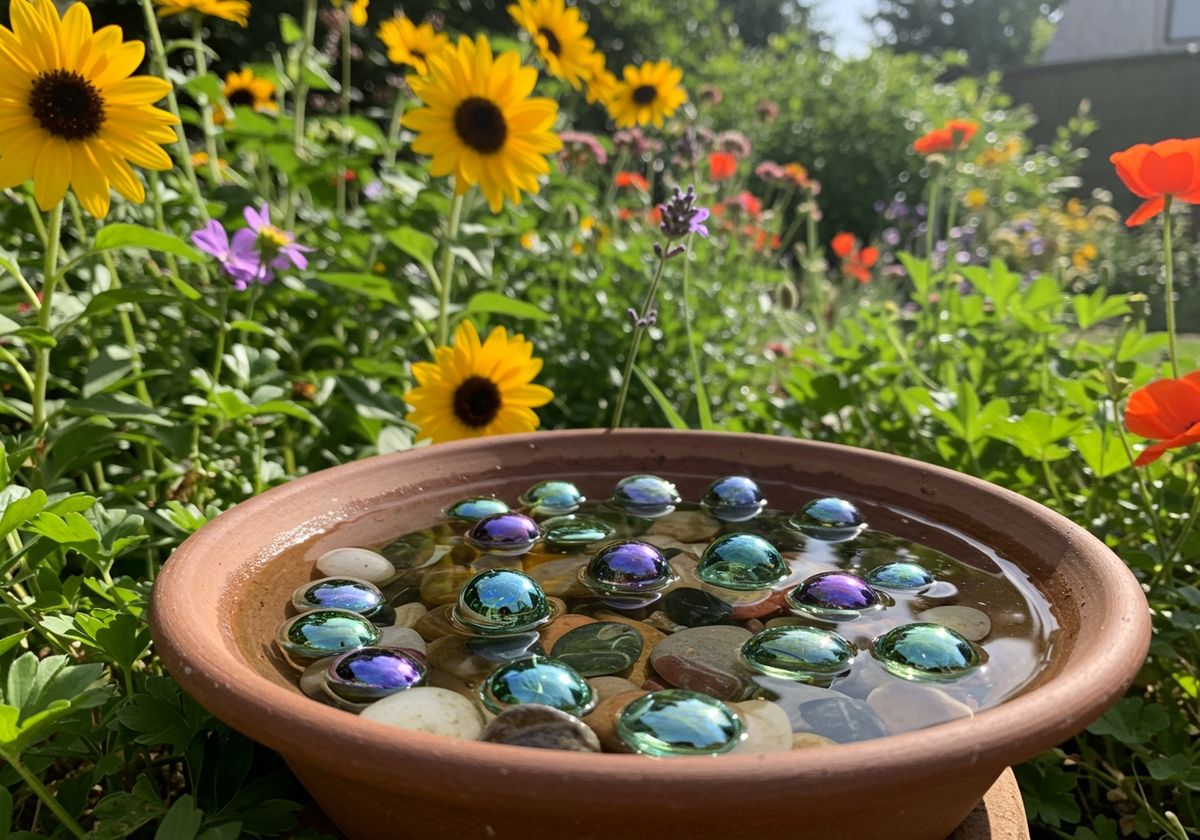
Pollinators need water, but not in the same way as other animals. A shallow dish of water with pebbles or marbles for them to land on is ideal. This prevents them from drowning while allowing them to drink.
Shelter and Nesting Sites
Leave some areas of bare ground for ground-nesting bees. Consider adding a bee house or leaving dead stems from plants over winter for nesting habitat. Rock piles and wood piles can also provide shelter for various pollinators.
Avoid Pesticides
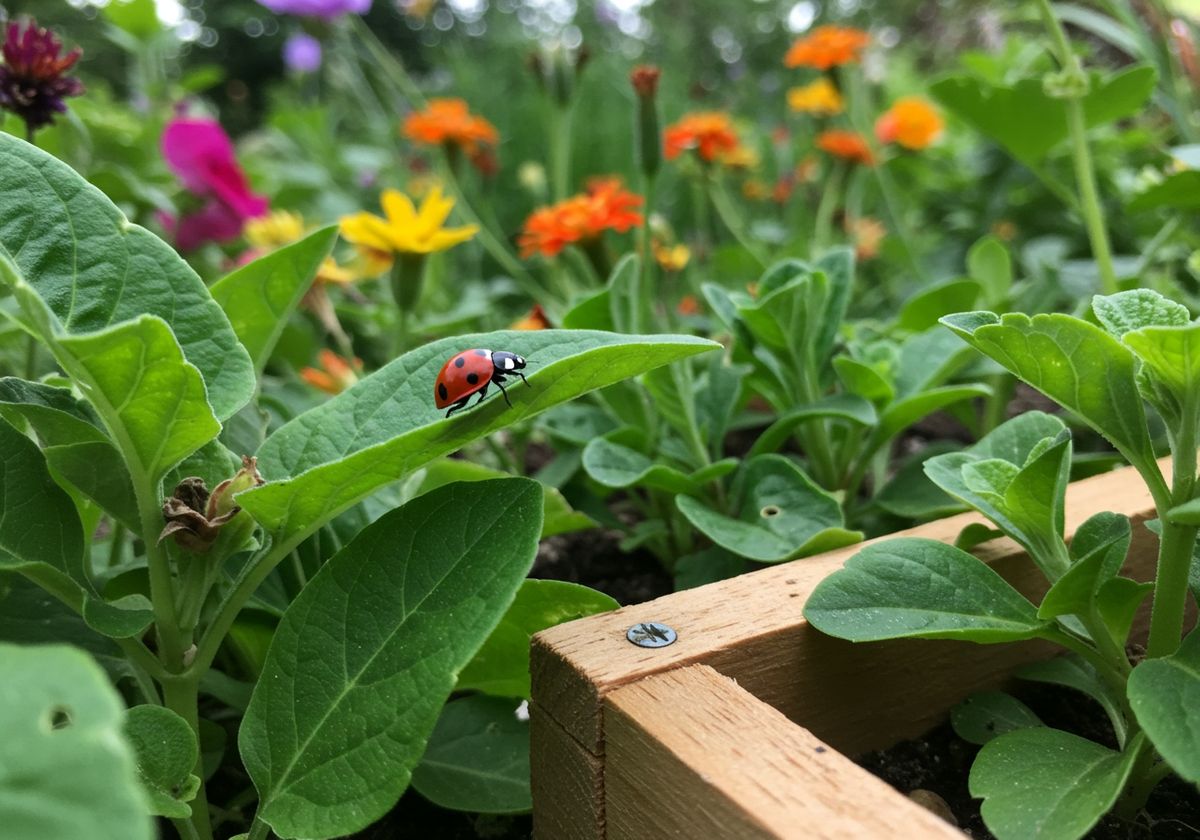
Pesticides can be harmful to pollinators. Opt for organic gardening practices to protect these beneficial insects. Encourage natural predators like ladybugs to control pests, and use physical barriers or traps when necessary.
Sustainable Practices
Incorporate sustainable gardening practices such as composting, mulching, and water conservation. Use rain barrels to collect water for your garden and choose organic fertilizers to enrich the soil. These practices not only benefit pollinators but also reduce your environmental impact.
Creating a sustainable garden for pollinators is a rewarding endeavor that supports biodiversity and enhances the beauty of your surroundings. By understanding the needs of pollinators and implementing sustainable practices, you can create a haven for these essential creatures. At Shoalwood Properties, we believe in "Transforming Texas Landscapes, Exceeding Expectations Since 2002." A pollinator garden is a perfect example of how thoughtful landscaping can make a significant difference. If you're looking to enhance your property with eco-friendly landscaping solutions in Austin, Dallas, or Houston, contact us today to learn more about our services and how we can help you create a vibrant, sustainable landscape. Check out our website to view our recent projects!