
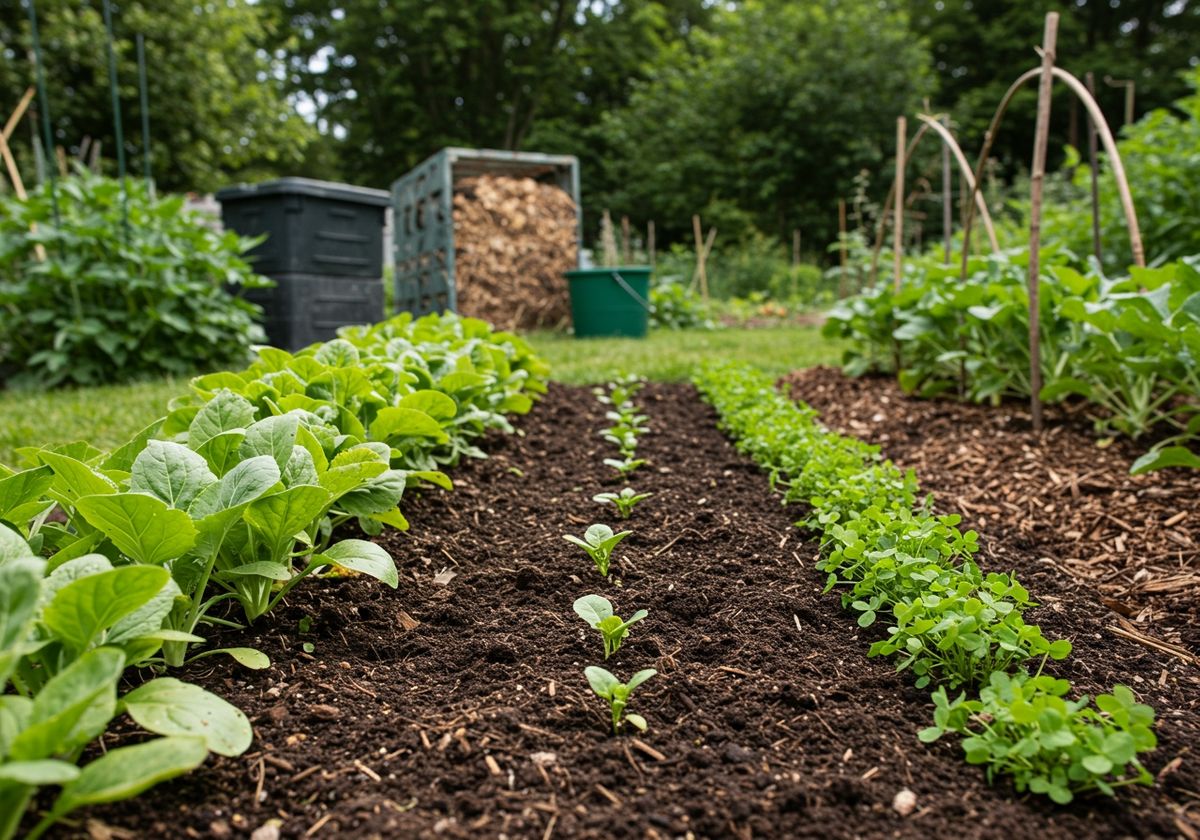

Eco-friendly landscaping is more than just a trend; it's a commitment to nurturing our environment while creating beautiful outdoor spaces. At the heart of sustainable landscaping lies healthy soil. Improving soil health not only benefits the environment but also enhances the vitality and longevity of your landscape. Let's explore practical ways to boost your soil's health for an eco-friendly landscape.
Understanding Soil Health
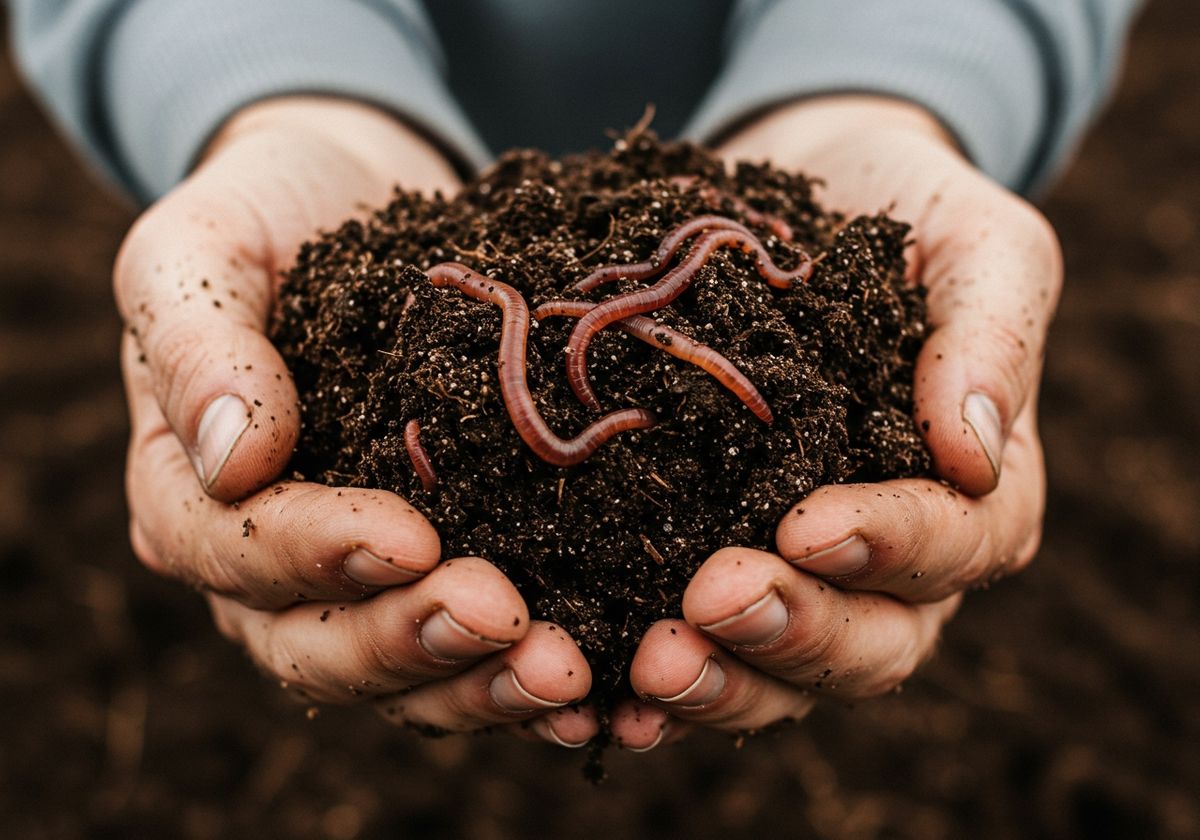
Healthy soil is a thriving ecosystem, teeming with beneficial organisms. It's rich in organic matter, has good structure, and provides essential nutrients for plant growth. Poor soil, on the other hand, is often compacted, nutrient-depleted, and unable to retain water effectively. Recognizing the current state of your soil is the first step toward improvement.
Composting: Nature's Recycler
Composting is an excellent way to enrich your soil with organic matter. By recycling kitchen scraps, yard waste, and other organic materials, you create a nutrient-rich amendment that improves soil structure, water retention, and fertility. Incorporate compost into your garden beds and around your plants to give them a natural boost.
Cover Cropping: A Living Mulch
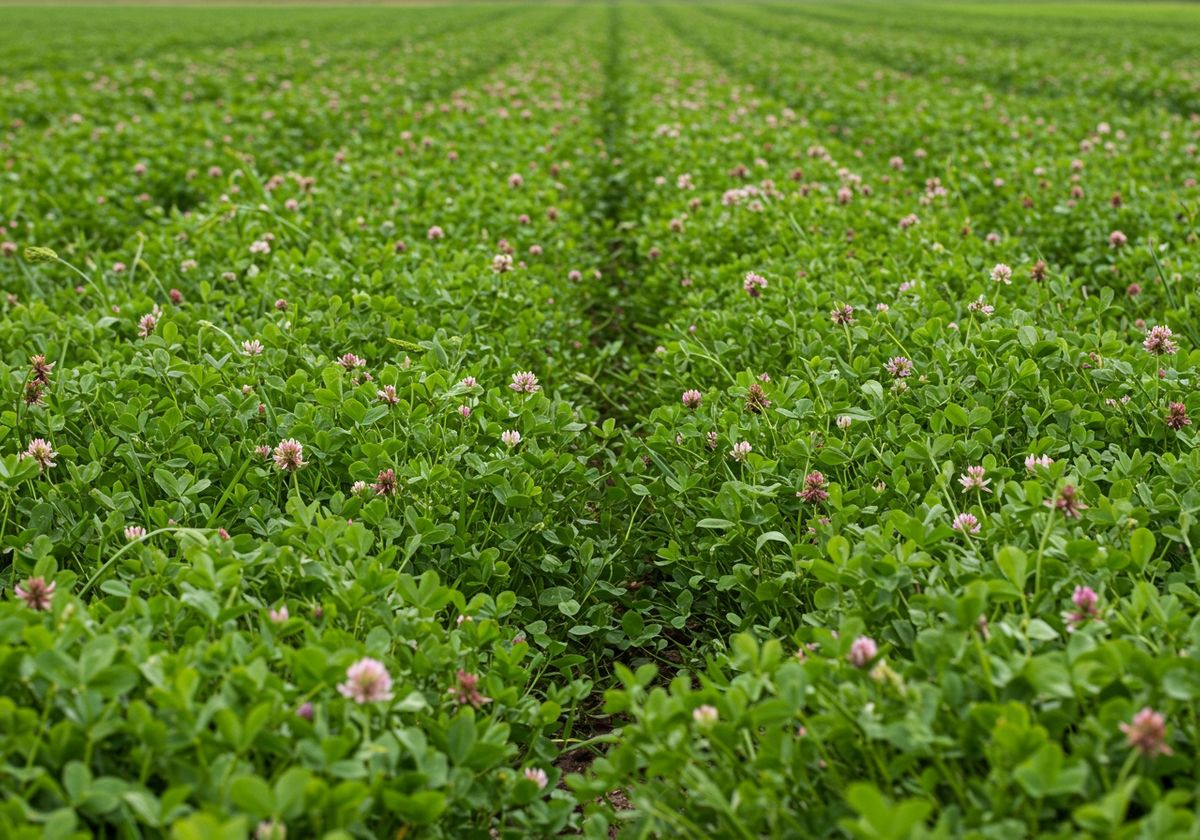
Cover crops are plants grown specifically to protect and improve the soil. They prevent erosion, suppress weeds, and add organic matter back into the soil. Legumes, such as clover and alfalfa, are particularly beneficial as they fix nitrogen in the soil, reducing the need for synthetic fertilizers. Plant cover crops during the off-season or in areas where you're not currently growing anything.
Mulching: Protecting and Nourishing
Mulching is a simple yet effective way to improve soil health. Organic mulches, such as wood chips, straw, and shredded leaves, help retain moisture, suppress weeds, and regulate soil temperature. As they decompose, they also add organic matter to the soil, feeding beneficial microbes and improving soil structure.

Reducing Tillage: Minimizing Disturbance
Excessive tillage can disrupt soil structure, reduce organic matter, and harm beneficial soil organisms. By reducing tillage, you can help maintain soil health and promote a thriving soil ecosystem. Consider using no-till or reduced-till methods in your garden to minimize disturbance and preserve soil structure.
Natural Fertilizers: Feeding the Soil Food Web
Synthetic fertilizers can provide a quick boost of nutrients, but they often harm soil health in the long run. Natural fertilizers, such as compost tea, seaweed extract, and bone meal, provide a more balanced and sustainable approach to soil fertility. They feed the soil food web, promoting a healthy and resilient soil ecosystem.
Embrace Eco-Friendly Landscaping with Healthy Soil
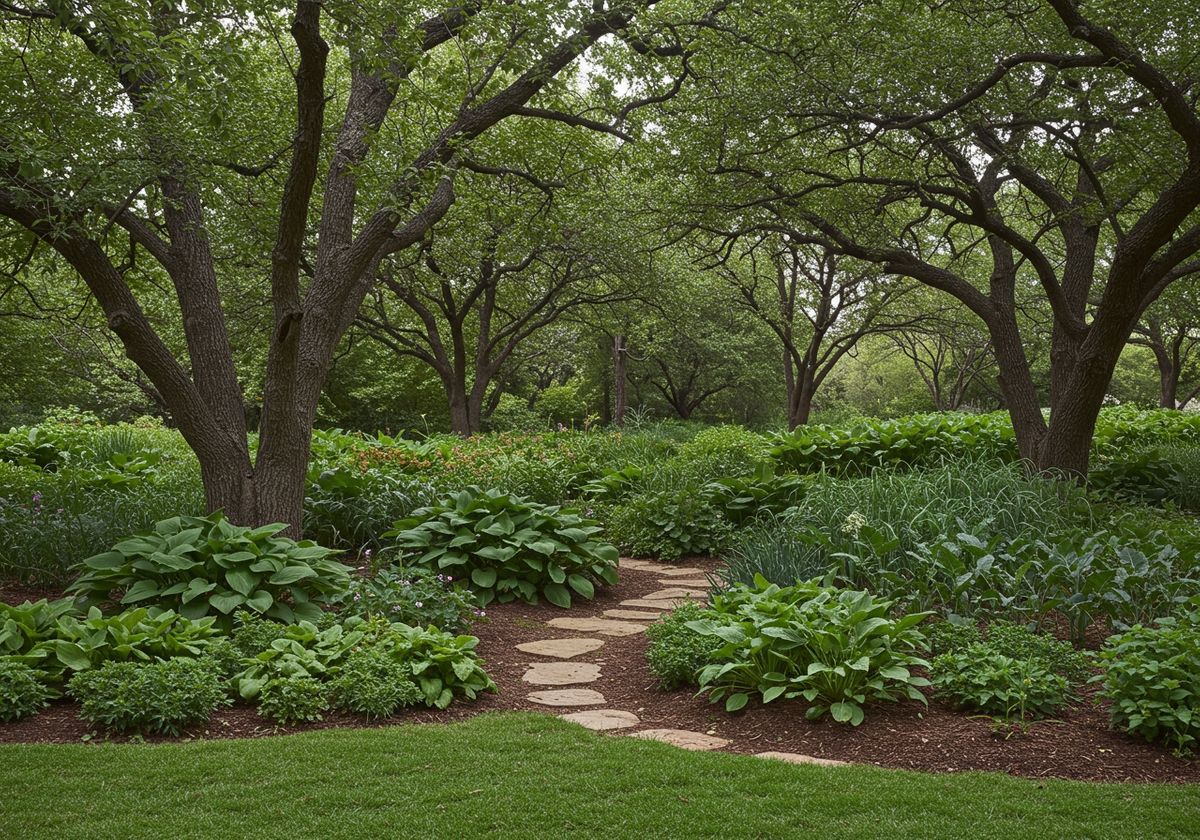
Improving soil health is a cornerstone of eco-friendly landscaping. By adopting these practices, you can create a thriving landscape that benefits both the environment and your property. From composting and cover cropping to mulching and reduced tillage, there are many ways to enhance your soil's health and create a more sustainable outdoor space.
Shoalwood Properties has been transforming Texas landscapes since 2002, and we understand the importance of healthy soil for vibrant and sustainable landscapes. If you're looking to enhance your property with eco-friendly landscaping, we're here to help. Contact us today to learn more about our landscaping services and how we can help you create the outdoor space of your dreams. Transforming Texas Landscapes, Exceeding Expectations Since 2002.