
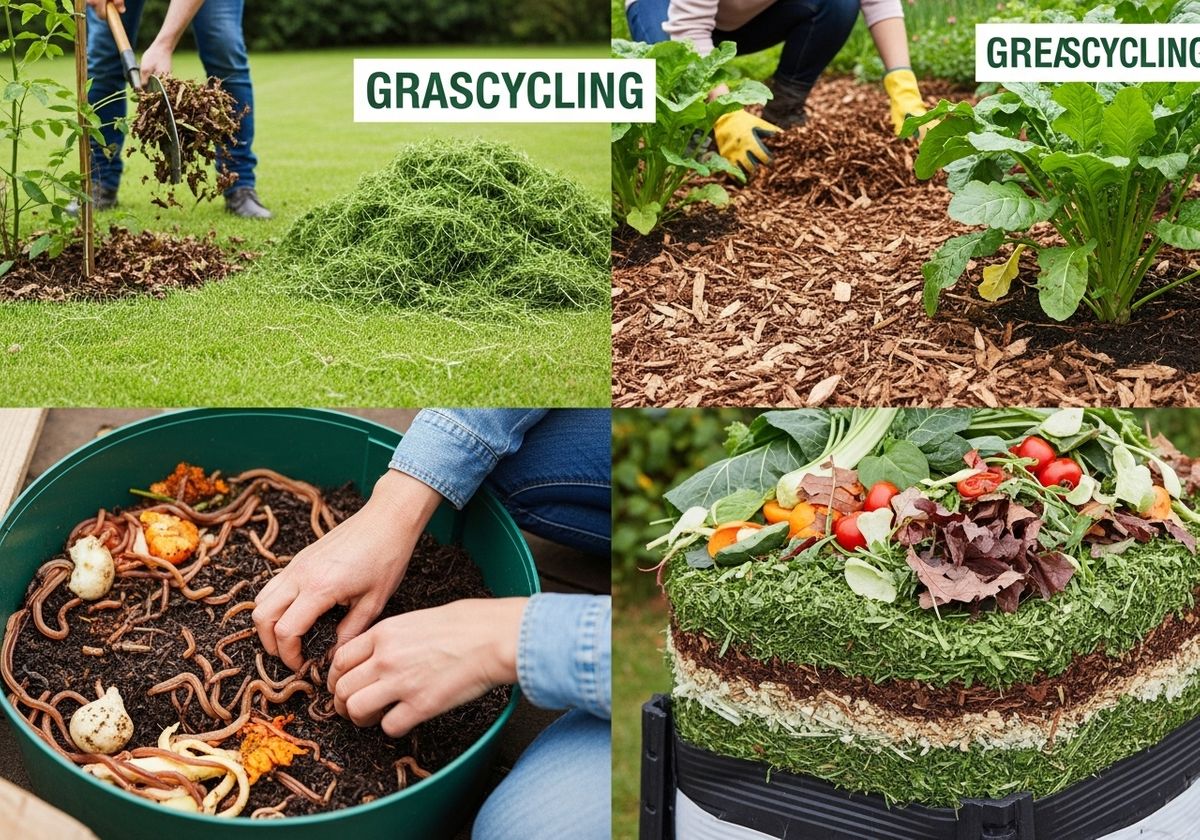

Are you looking for ways to reduce your environmental impact while maintaining a beautiful garden? Reducing garden waste is not only eco-friendly but also beneficial for your plants and soil. Here are some practical tips to minimize waste and maximize the potential of your garden.
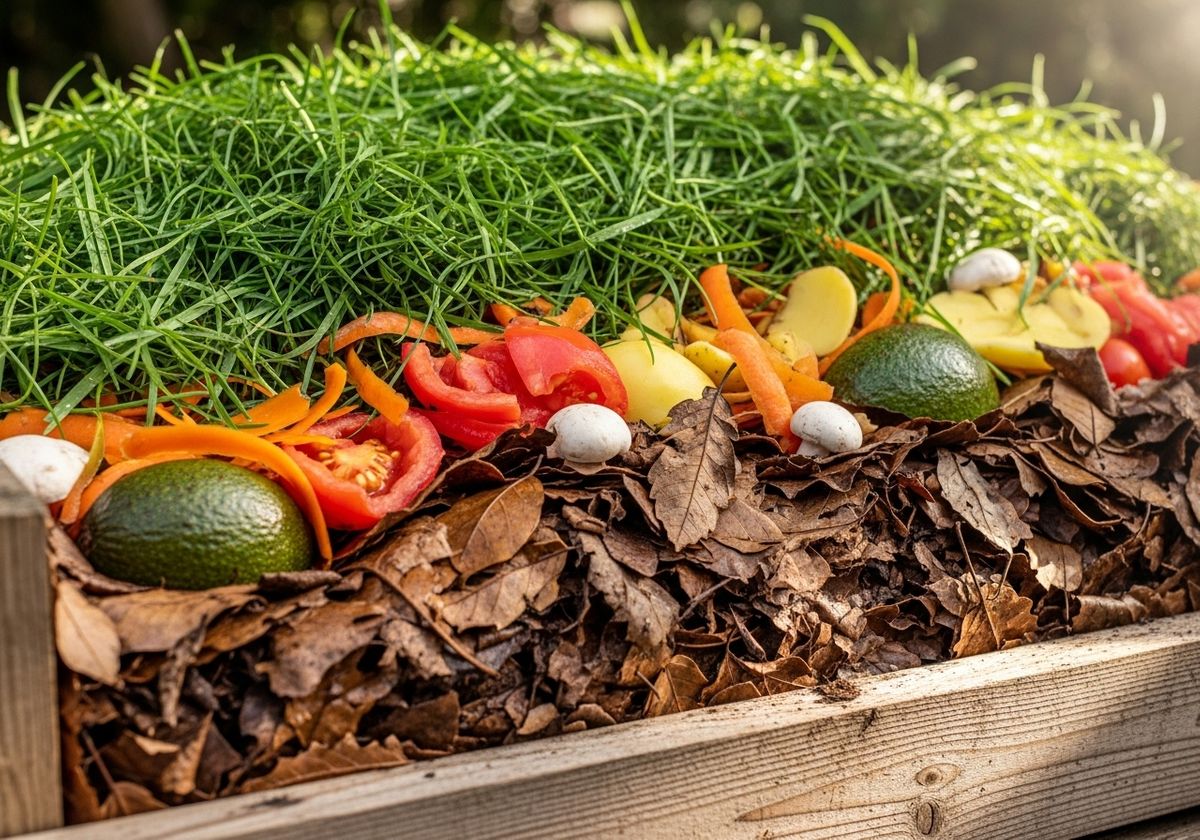
Composting: Nature's Recycling System
Composting is one of the most effective ways to reduce garden waste. By composting organic materials, you create nutrient-rich humus that can be used to improve soil health. Grass clippings, leaves, and vegetable scraps can all be composted. Simply layer green and brown materials in a compost bin or pile, and turn it regularly to aerate. Within a few months, you'll have a valuable soil amendment ready to use in your garden.
Mulching: A Double-Duty Solution
Mulching not only helps retain soil moisture and suppress weeds, but it also reduces waste. Use grass clippings, shredded leaves, or wood chips as mulch around your plants. As the mulch decomposes, it enriches the soil with organic matter. This reduces the need for chemical fertilizers and minimizes the amount of waste sent to landfills.
Grasscycling: Leave Clippings on the Lawn
Instead of bagging grass clippings, try grasscycling. Leave the clippings on the lawn when you mow. As they decompose, they release valuable nutrients back into the soil, acting as a natural fertilizer. This can reduce the need for synthetic fertilizers and minimize waste.
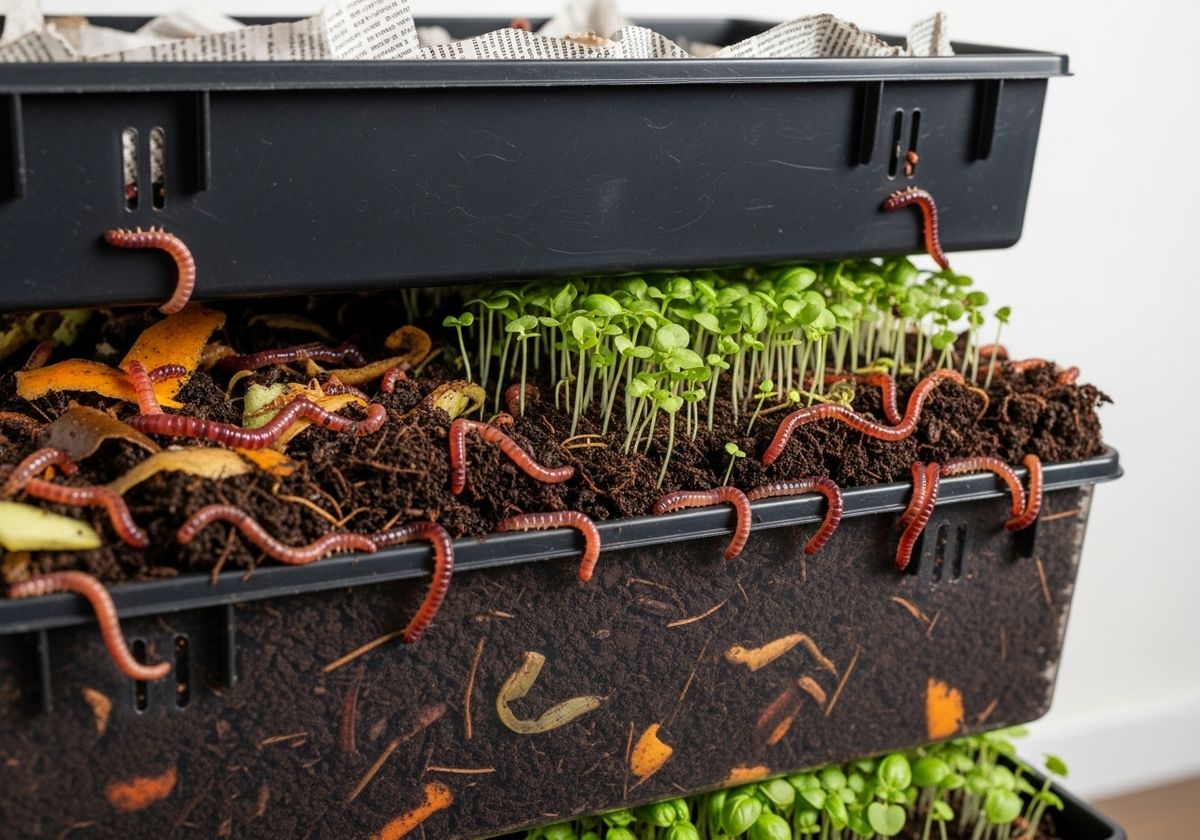
Use a Worm Bin
Worm bins, also known as vermicomposting systems, are enclosed containers that rely on earthworms to break down food scraps. Worm castings are known as black gold among gardening enthusiasts, as they contain five times more nitrogen, seven times more phosphorus, and 11 times more potassium than typical soil. This is an excellent solution for both indoor and outdoor use.
Chop and Drop
The "chop and drop" method is a simple way to manage plant waste directly in your garden. Instead of removing dead or dying leaves, simply chop them into smaller pieces and drop them around the base of the plant. These pieces will decompose and return nutrients to the soil, benefiting the plant. This method is especially useful for plants with large leaves, such as hostas or banana trees.
Proper Planning
Careful planning can significantly reduce waste. Before planting, consider the mature size of your plants to avoid overcrowding. Overcrowding can lead to increased pruning and, consequently, more waste. Choose plants that are well-suited to your local climate and soil conditions to minimize the need for maintenance and reduce the likelihood of plant diseases.
Reducing garden waste is a rewarding practice that benefits both your garden and the environment. By composting, mulching, grasscycling, using worm bins, chopping and dropping, and planning carefully, you can minimize waste and create a thriving garden. At Shoalwood Properties, we understand the importance of maintaining beautiful and sustainable landscapes. Since 2002, we've been dedicated to transforming Texas landscapes and exceeding expectations. Contact us today to learn more about our landscaping services and how we can help you create a sustainable garden. Check out our website to view our service locations in Austin, Dallas, and Houston!