
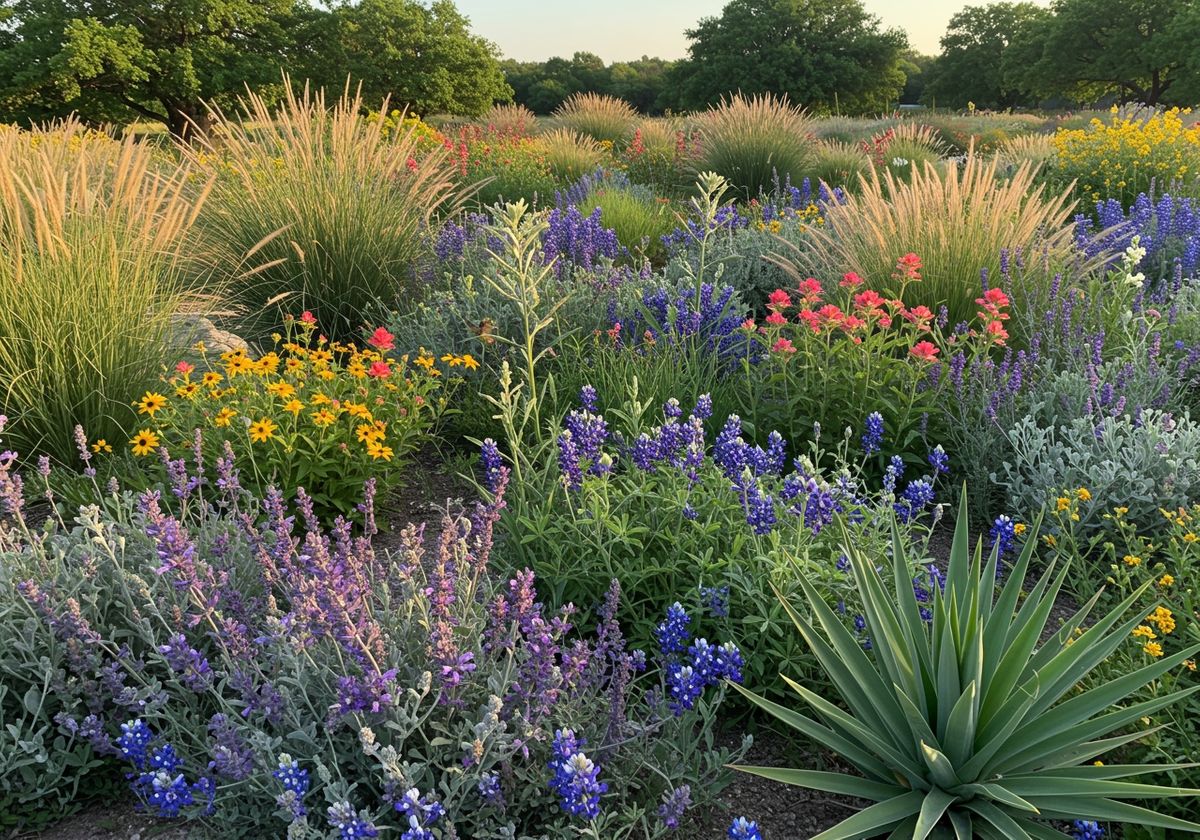

Native plants offer a plethora of benefits for Texas landscapes, from reducing water consumption to providing habitats for local wildlife. Choosing native species ensures your garden thrives in the Texas climate while supporting the environment. Let's explore some of the best native plants for Texas landscapes, perfectly suited for the diverse regions within the state.
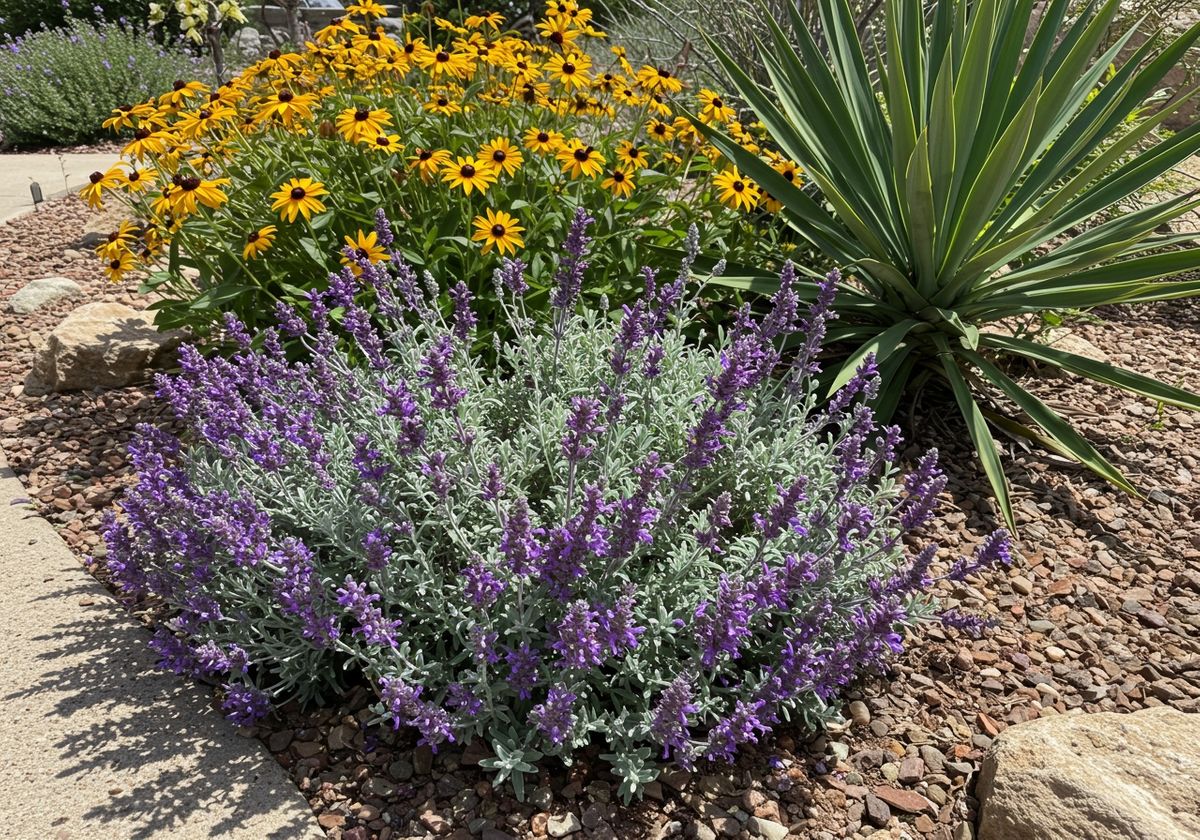
Drought-Tolerant Beauties
Texas summers can be brutal, so drought-tolerant plants are essential. Consider these options:
- Texas Sage (Leucophyllum frutescens): Known for its silvery foliage and vibrant purple flowers, Texas Sage thrives in full sun and requires minimal watering.
- Black-Eyed Susan (Rudbeckia hirta): A cheerful addition to any garden, Black-Eyed Susans are heat-tolerant and attract pollinators.
- Yucca (Yucca spp.): These striking plants come in various forms, from small ground covers to larger statement pieces, all adapted to arid conditions.
Shade-Loving Selections
Not all areas in your landscape receive full sun. These native plants flourish in shadier spots:
- Texas Kidneywood (Eysenhardtia texana): This small tree or shrub produces fragrant white flowers and tolerates partial shade.
- Inland Sea Oats (Chasmanthium latifolium): A graceful ornamental grass that adds texture and movement to shaded gardens.
- Cedar Sage (Salvia roemeriana): With its delicate red flowers, Cedar Sage brightens up shady areas and attracts hummingbirds.
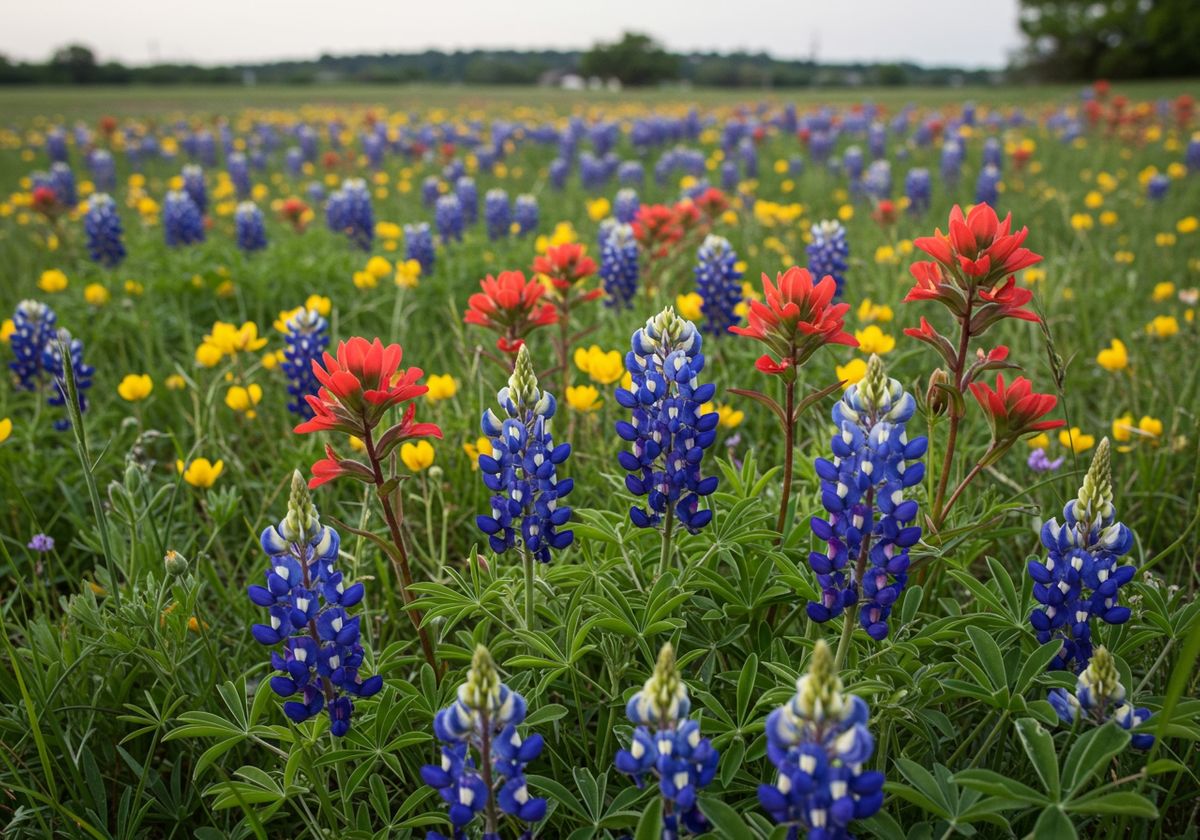
Wildflower Wonders
Texas is famous for its wildflowers, and many are easy to incorporate into your landscape:
- Bluebonnet (Lupinus texensis): The state flower of Texas, Bluebonnets are a must-have for any Texas garden, adding a splash of blue in the spring.
- Indian Paintbrush (Castilleja indivisa): Often found alongside Bluebonnets, Indian Paintbrushes bring vibrant reds and oranges to the landscape.
- Winecup (Callirhoe involucrata): These low-growing wildflowers feature cup-shaped magenta flowers and are highly drought-tolerant.
Benefits of Native Plants
Choosing native plants offers numerous advantages:
- Water Conservation: Native plants are adapted to the local climate and require less watering than non-native species.
- Low Maintenance: Once established, native plants are generally low-maintenance, requiring less fertilization and pruning.
- Wildlife Support: Native plants provide food and shelter for native insects, birds, and other wildlife, promoting biodiversity.
- Pest and Disease Resistance: Native plants are naturally more resistant to local pests and diseases, reducing the need for pesticides.
Incorporating native plants into your Texas landscape is a rewarding way to create a beautiful, sustainable, and environmentally friendly outdoor space. By selecting the right plants for your specific region and conditions, you can enjoy a vibrant garden that thrives with minimal effort. At Shoalwood Properties, we understand the importance of creating sustainable and beautiful landscapes that reflect the unique Texas environment. Since 2002, we've been dedicated to transforming outdoor spaces into vibrant, welcoming areas that enhance the value and appeal of your property. If you're looking to enhance your landscape with native plants or need expert advice on landscaping services in Austin, Dallas, or Houston, contact us today to learn more about how Shoalwood Properties can help you achieve your landscaping goals. Experience Texas living with Shoalwood Properties. We are here to help!