
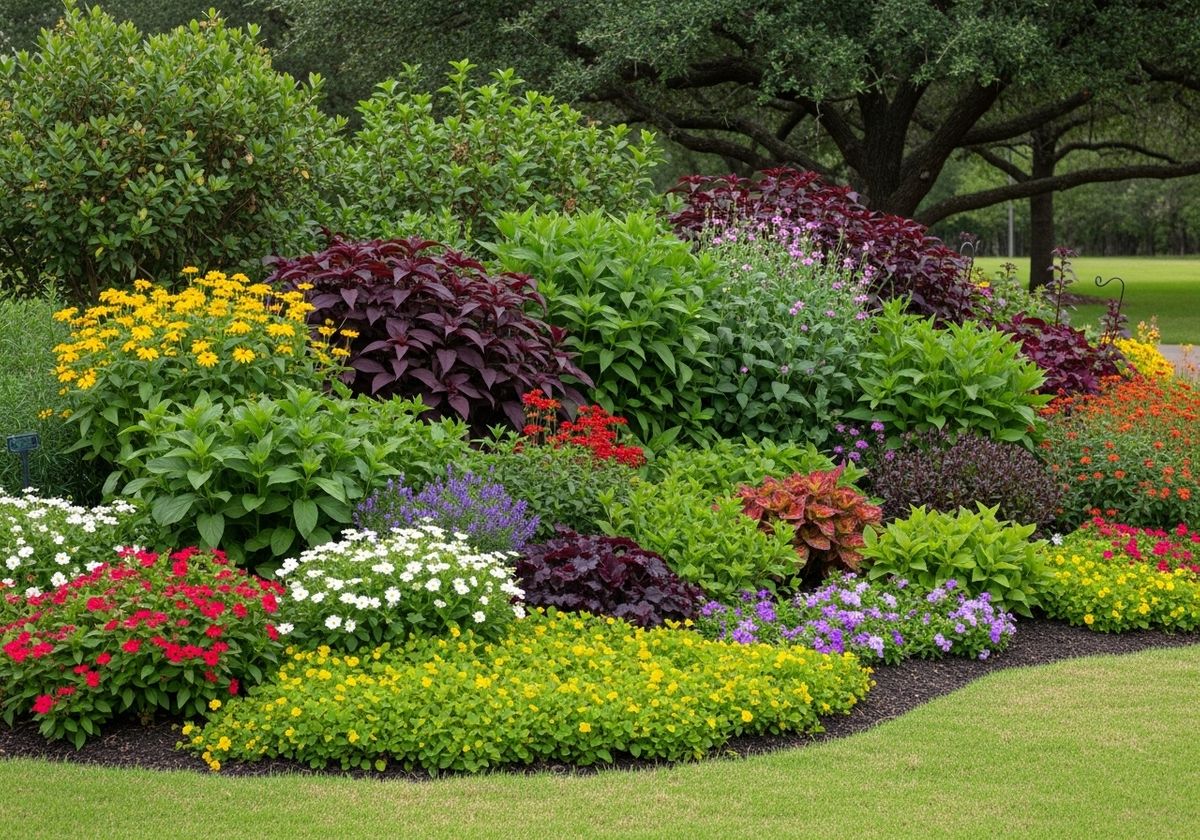

Selecting the right plants for your garden is crucial for creating a vibrant and thriving outdoor space. The right plants can transform your yard into a beautiful oasis, enhancing your home's curb appeal and providing a relaxing environment. However, with so many options available, choosing the perfect plants can feel overwhelming. Here are some expert tips to help you make the best choices for your garden.
Understand Your Climate and Zone
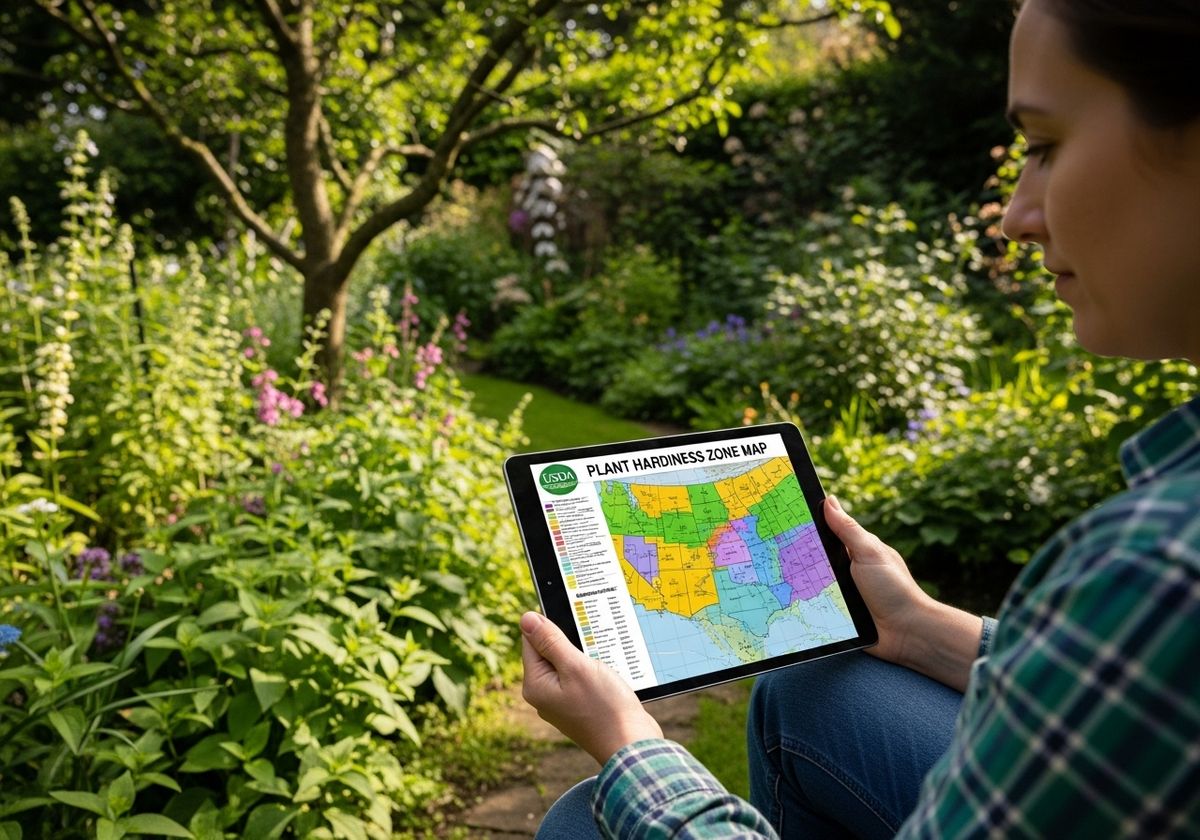
Before you even start browsing plant catalogs, it’s essential to understand your local climate and hardiness zone. Different plants thrive in different climates, and selecting plants that are well-suited to your area is the first step toward gardening success. Plants are categorized into hardiness zones based on their ability to withstand minimum winter temperatures. You can find your zone on the USDA Plant Hardiness Zone Map. Knowing your zone will help you narrow down your options and choose plants that will survive and flourish in your garden.
Assess Your Soil
The type of soil you have plays a significant role in plant health. Different plants prefer different soil conditions, such as sandy, loamy, or clay soil. Conducting a soil test can provide valuable information about your soil's pH level, nutrient content, and drainage capabilities. You can purchase a soil testing kit at most garden centers or send a sample to a local extension office for a more detailed analysis. Once you know your soil type, you can amend it if necessary and choose plants that will thrive in those conditions.
Consider Sunlight Exposure
Sunlight is a critical factor in plant growth. Different plants require different amounts of sunlight, ranging from full sun (at least six hours of direct sunlight per day) to partial shade (two to six hours of direct sunlight) to full shade (less than two hours of direct sunlight). Observe your garden throughout the day to determine how much sunlight different areas receive. Choose plants that match the sunlight conditions in each area to ensure healthy growth.
Think About Size and Space
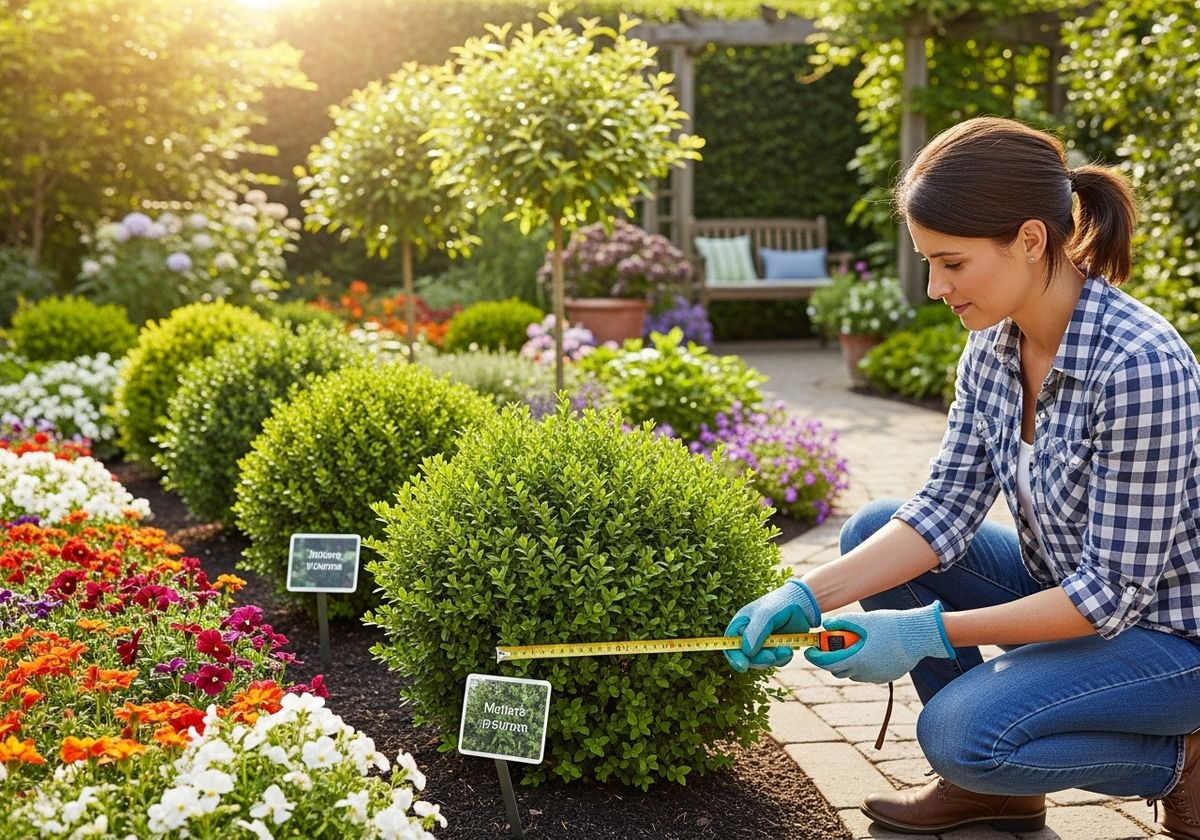
It’s important to consider the mature size of the plants you choose. A small seedling can quickly grow into a large shrub or tree, potentially overcrowding your garden or blocking sunlight from other plants. Research the mature size of each plant and ensure you have enough space for it to grow. Also, think about the overall layout of your garden and how the plants will fit into the design. Consider factors like height, width, and spread to create a balanced and visually appealing landscape.
Choose Plants That Suit Your Style
Your garden should be a reflection of your personal style and preferences. Consider the colors, textures, and forms of different plants and how they will complement your home and landscape. Do you prefer a formal garden with neatly trimmed hedges and symmetrical designs, or a more relaxed, informal garden with flowing lines and naturalistic plantings? Choose plants that align with your aesthetic vision and create a space that you’ll love spending time in.
Selecting the right plants for your garden involves understanding your local climate, assessing your soil, considering sunlight exposure, thinking about size and space, and choosing plants that suit your style. By following these tips, you can create a beautiful and thriving garden that enhances your home and provides years of enjoyment. At Shoalwood Properties, we understand the importance of a well-landscaped garden. Since 2002, we've been transforming Texas landscapes, exceeding expectations with our tailored landscaping services. If you're looking to enhance your outdoor space, explore our landscaping solutions or contact us for expert advice and let Shoalwood Properties bring your vision to life. Transforming Texas Landscapes, Exceeding Expectations Since 2002.